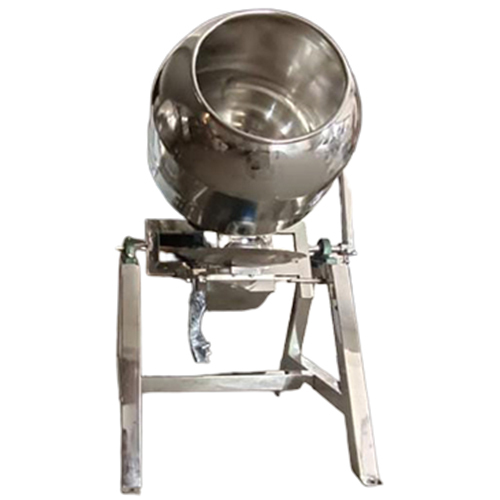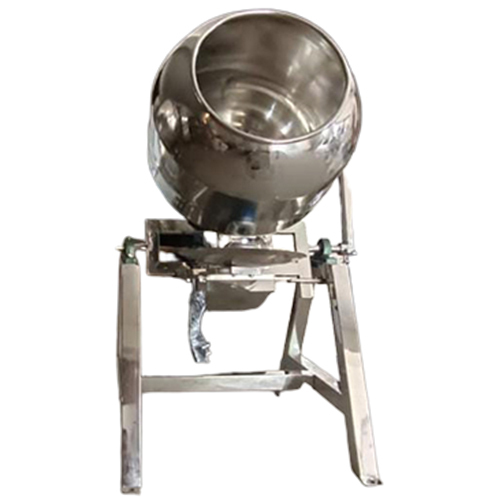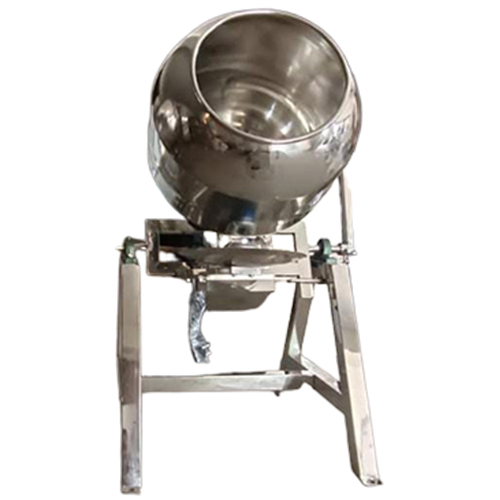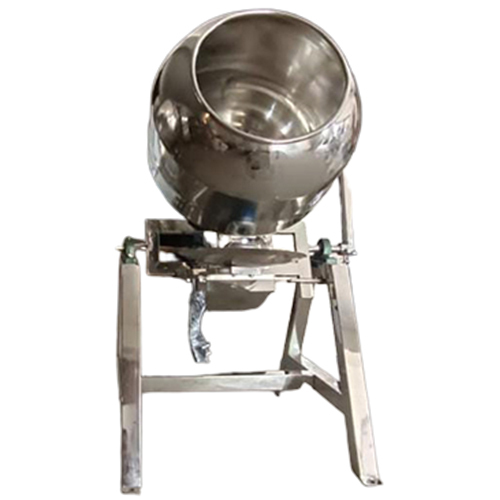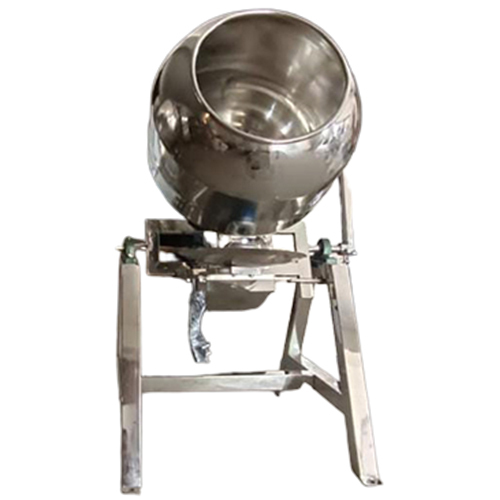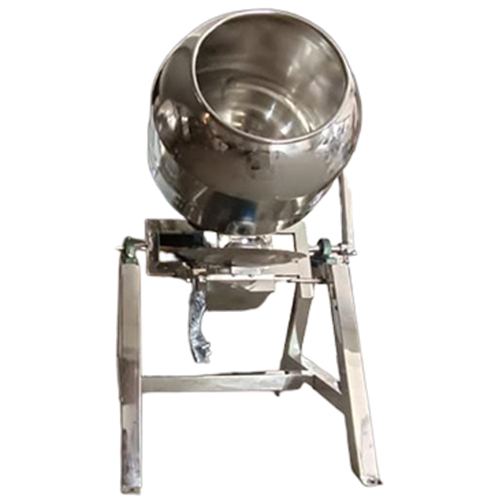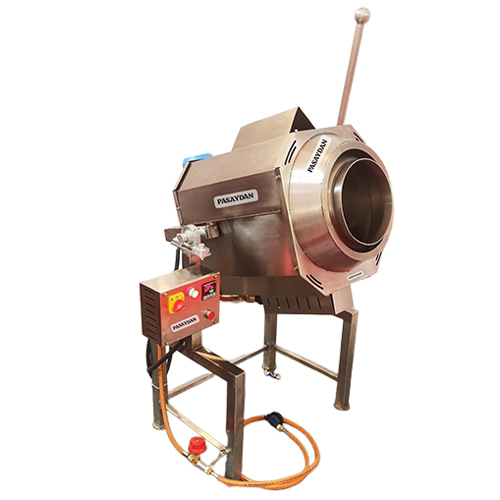
Phase - Single Phase An automatic roaster machine is an industrial or commercial appliance that uses controlled heat (gas, electric, diesel) in a rotating drum or chamber to uniformly roast various food items like grains, nuts, spices, and seeds, featuring automated controls (PLC, digital thermostats) for temperature, time, and power, ensuring consistent quality, efficiency, and reduced manual labor for products like coffee, peanuts, popcorn, and dry fruits.
Key Features & Functionality:
Heating Systems: Utilizes LPG, electric, diesel, or induction heating, transferring heat via convection or direct contact.
Control Systems: Often includes PLC (Programmable Logic Controller) or digital controllers for precise temperature adjustment, auto cut-off, and programmed cycles.
Construction: Built from stainless steel or other food-grade materials for durability and hygiene.
Operation: Raw materials are loaded into a rotating drum, tumbled for even roasting, and then discharged automatically or semi-automatically.
Applications: Versatile for roasting coffee beans, peanuts, chana, sesame, corn, cereals, spices, and snacks like murmura, poha, and Kurkure.
Benefits: High capacity, consistent results, energy efficiency, and ease of operation compared to manual methods.
Types:
Drum Roasters: Heat the material within a rotating drum, common for coffee.
Hot Air Roasters (Fluid Bed): Use hot air to roast, also efficient.
In essence, it's an automated kitchen or factory workhorse that automates the precise heating and turning required to develop flavor and remove moisture from food products, notes Innovative Engineering Works and Tradeindia.